

Today our village, the Alipur we love, stands wrapped in black. For three days, shops have closed, men and women have taken to the streets in quiet processions, and families gather in prayer and remembrance. We mourn the passing of Ayatollah Ali Hosseini Khamenei, a man many here called a leader of humanity.
The Historic Visit to Alipur
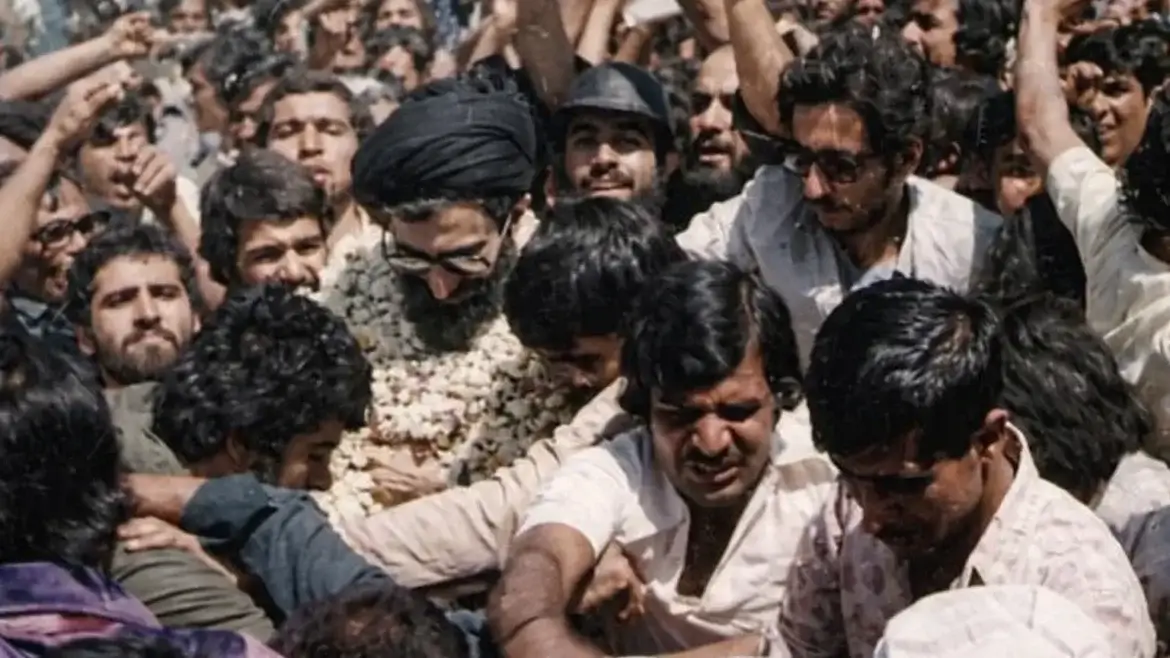
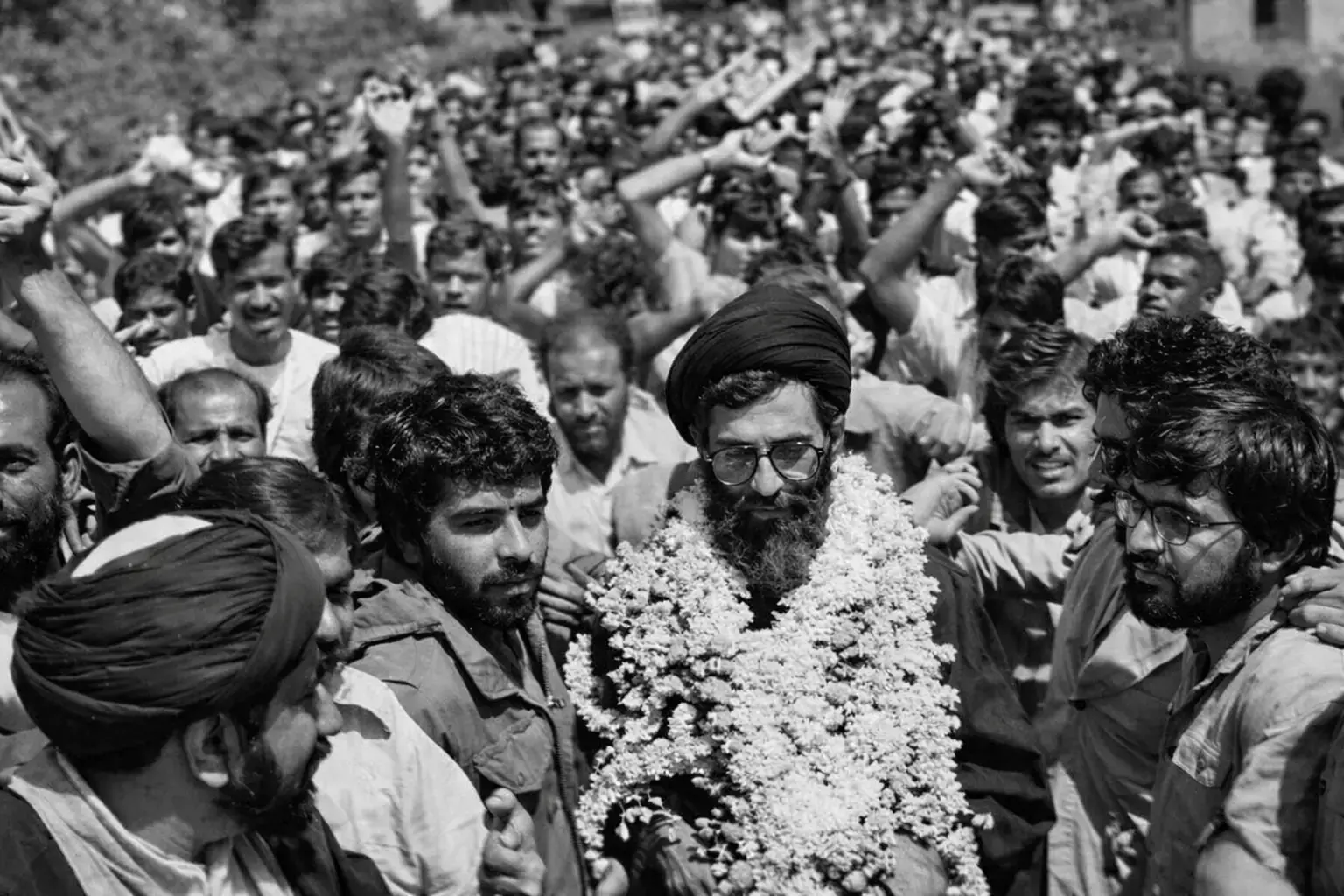
In 1981, Ayatollah Ali Hosseini Khamenei visited India at the invitation of then-Prime Minister Indira Gandhi. At that time he was a prominent cleric and the Tehran Friday-prayer leader, and later that year he was elected President of Iran. During his visit he was invited to a programme organised by Jamaat-e-Islami in Hyderabad. With limited engagements planned in Delhi and Lucknow, arrangements were made for him to visit Bangalore before proceeding to Hyderabad. Travel logistics were challenging, and coordination required careful planning with embassy officials and local authorities. Upon arrival in Bangalore, officials including the Superintendent of Police received him. A large motorcycle escort of more than 300 Jawa bikes accompanied him from the airport to Alipur, where further programmes were arranged, including meetings with Sunni groups.
The 1981 visit remains an important and memorable moment in Alipur’s history.
A brief note on the man many followed
Ali Hosseini Khamenei rose from a lifetime of religious study and public service to become one of the most influential Shia scholars of our time. To his followers he was an Ayatollah, a senior Shia religious scholar and a Marjaʿ, a source of religious guidance whom believers could consult on matters of faith and law. For decades Khamenei’s voice shaped political and spiritual life across many communities; for Alipur, his influence went beyond words into tangible projects that have touched everyday life.
What Alipur remembers
The bond between our village and the late Ayatollah is personal and enduring. He visited Alipur in the early 1981, a visit that stayed with people who welcomed him. In memory of that time, our main road now bears the name Imam Khomeini Road, a local landmark and a daily reminder of that visit.
Ten years after that visit, a project he had envisioned came to life: the Imam Khomeini Hospital. Opened in 1991, the hospital has since served generations of our neighbors with affordable care and a focus on dignity. For many people here, the clinic, the road, and the memories of his visit form a single thread that links Alipur to a wider community of faith and learning.
The village’s response: respect, solidarity, and quiet grief
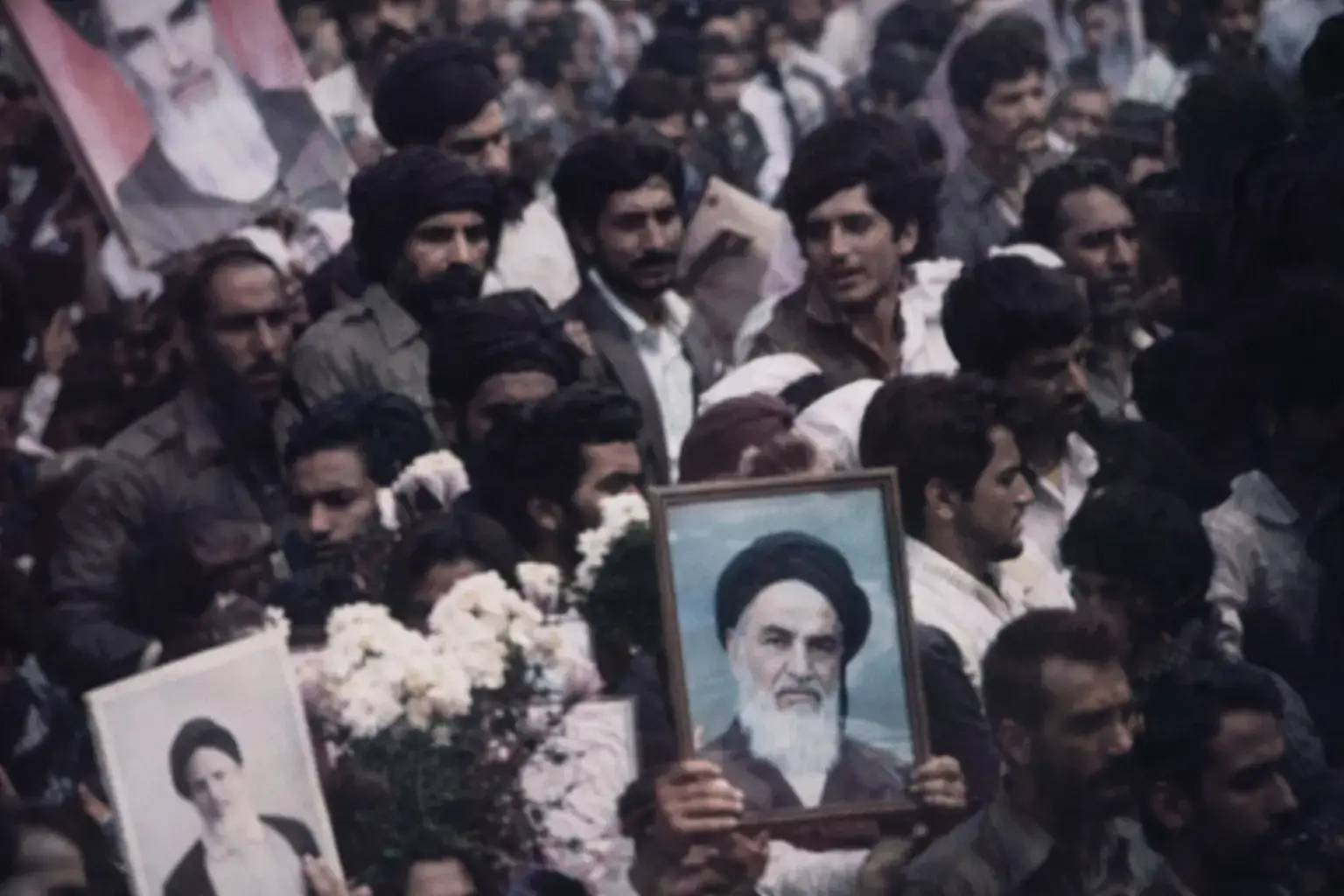
As the news reached us, whole alipur closed shops and gathered at mosques and community halls. People dressed in black to show sorrow; Big processions and recitals of prayers moved through streets where life otherwise bustles. The closing of businesses for three days was voluntary but widespread, a shared, peaceful act of respect and solidarity that speaks to how deeply many here felt connected.
View this post on Instagram
A moment to reflect
Beyond political debates and distant headlines, what I saw walking the lanes of Alipur was human grief: elders recalling the day they met him, young people talking about educational and hospital opportunities born out of long-standing ties, and mothers who feel the loss as a quiet ache. For a village that has long been known for its ties to Iran and for its strong religious traditions, this is a moment of collective memory and of looking inward.
His Final Days
It was during the blessed month of Ramadan that Ayatollah Ali Hosseini Khamenei was martyred. According to reports, he was observing his fast at the time, a detail that has deepened the emotional response among his followers. For many in Alipur, the fact that his life ended during a sacred month of prayer, reflection, and sacrifice has given his passing even greater spiritual meaning.